Different agencies send different invoices, making it difficult to compare what an hour really costs by agency, warehouse, or shift.
Warehouse Business
Analytics Software Built for
Better Decisions
Labor hours, agency invoices, client billing, and order volume often sit in different systems. By the time they come together, the period is already closed.
Predien brings these numbers together in one warehouse intelligence platform, helping warehouse and 3PL leaders see labor costs, billing, productivity, and volume in one place and make better business decisions while there is still time to act.
The Business Decisions Behind Your Warehouse Numbers
Warehouse leaders make decisions every day. But when the right numbers come too late, those decisions are often based on spreadsheets and incomplete information. The challenge is having the right numbers when the decision needs to be made.
An invoice gets questioned, or a client's margin falls below expectations. Billing reconciliation, checking billed hours against actual work, often takes too long.
Labor cost per unit starts moving above your target. The decision is often made from a spreadsheet without seeing the effect on throughput and processing time.
Warehouse capacity planning often starts with last year's numbers. By the time actual volume is higher than expected, overtime and agency labor may be the only options left.
Predien helps turn these questions into a 3PL business decision, backed by 3PL billing reconciliation software and your operational numbers.
How the Warehouse KPI dashboard Handles Each One
Traditional warehouse reporting software tells you what happened. Predien brings your operational data together so your team can see what is happening across the business.
Your warehouse KPI dashboard and 3PL KPI dashboard give you the numbers. The analyst and scenario planning software help turn those numbers into action.
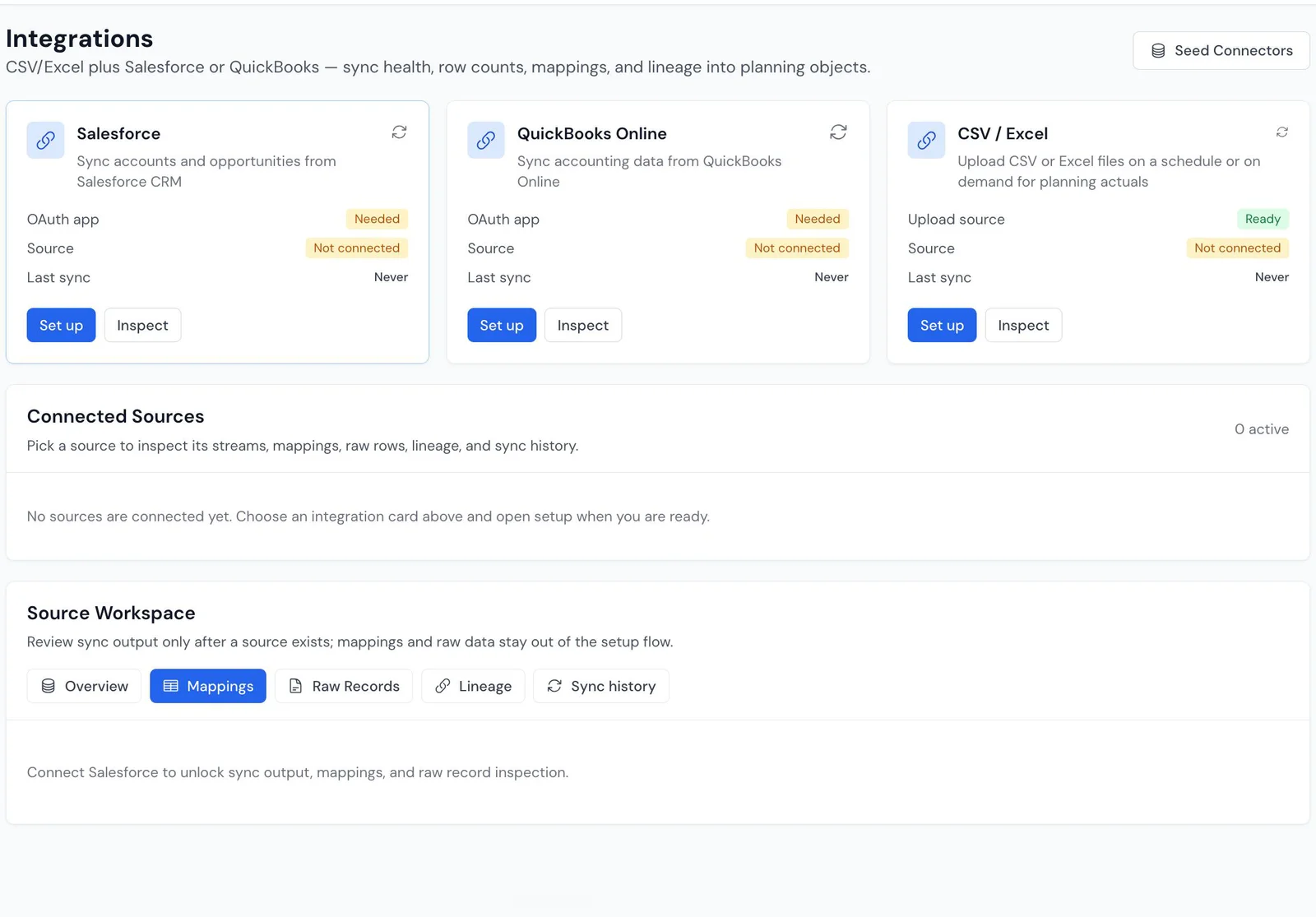
Predien brings together data from your WMS, ERP, labor, 3PL billing software, and other operational systems using read-only data integration software. Your analyst cleans and organizes the data so it can be used together, giving you a stronger foundation for warehouse performance analytics.
Labor costs, hours, volume, billing, productivity, and other measures are organized around your business definitions. This gives your team one consistent view across clients, functions, shifts, and locations.
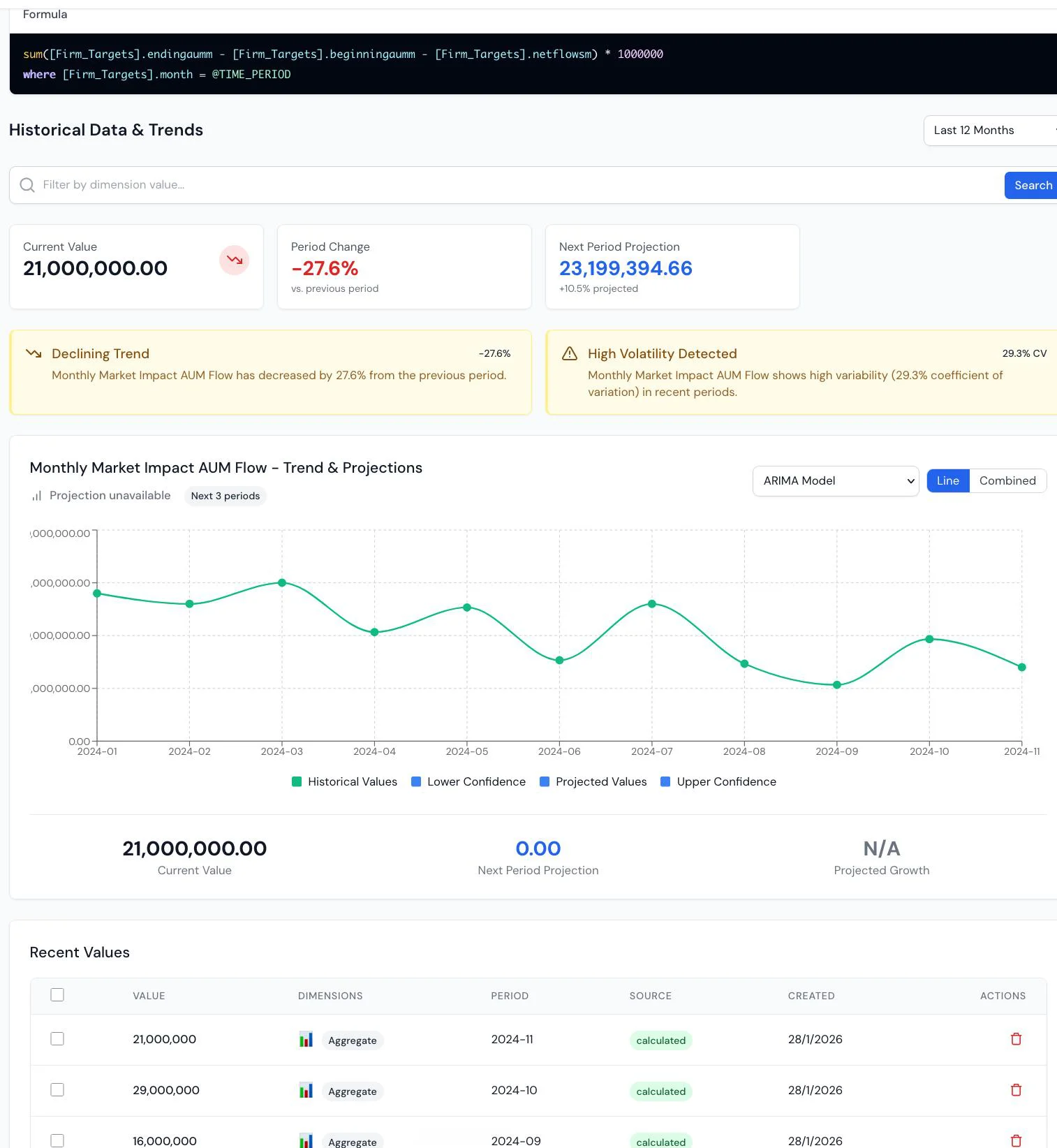
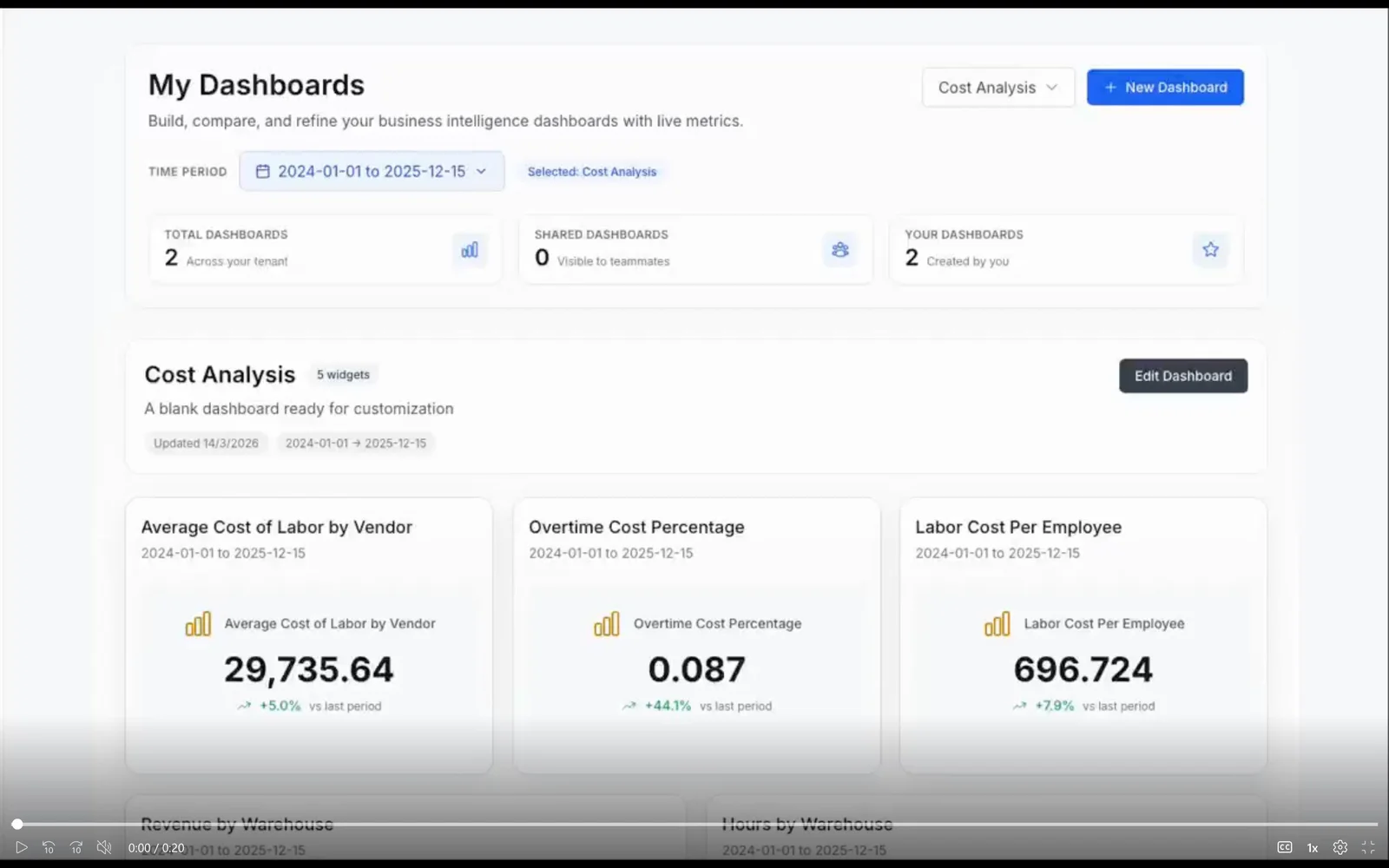
Your warehouse KPI dashboard shows the metrics that matter to your operation and tracks them against the limits you set. You can see changes in labor cost, productivity, volume, and other key measures before they become larger operational problems.
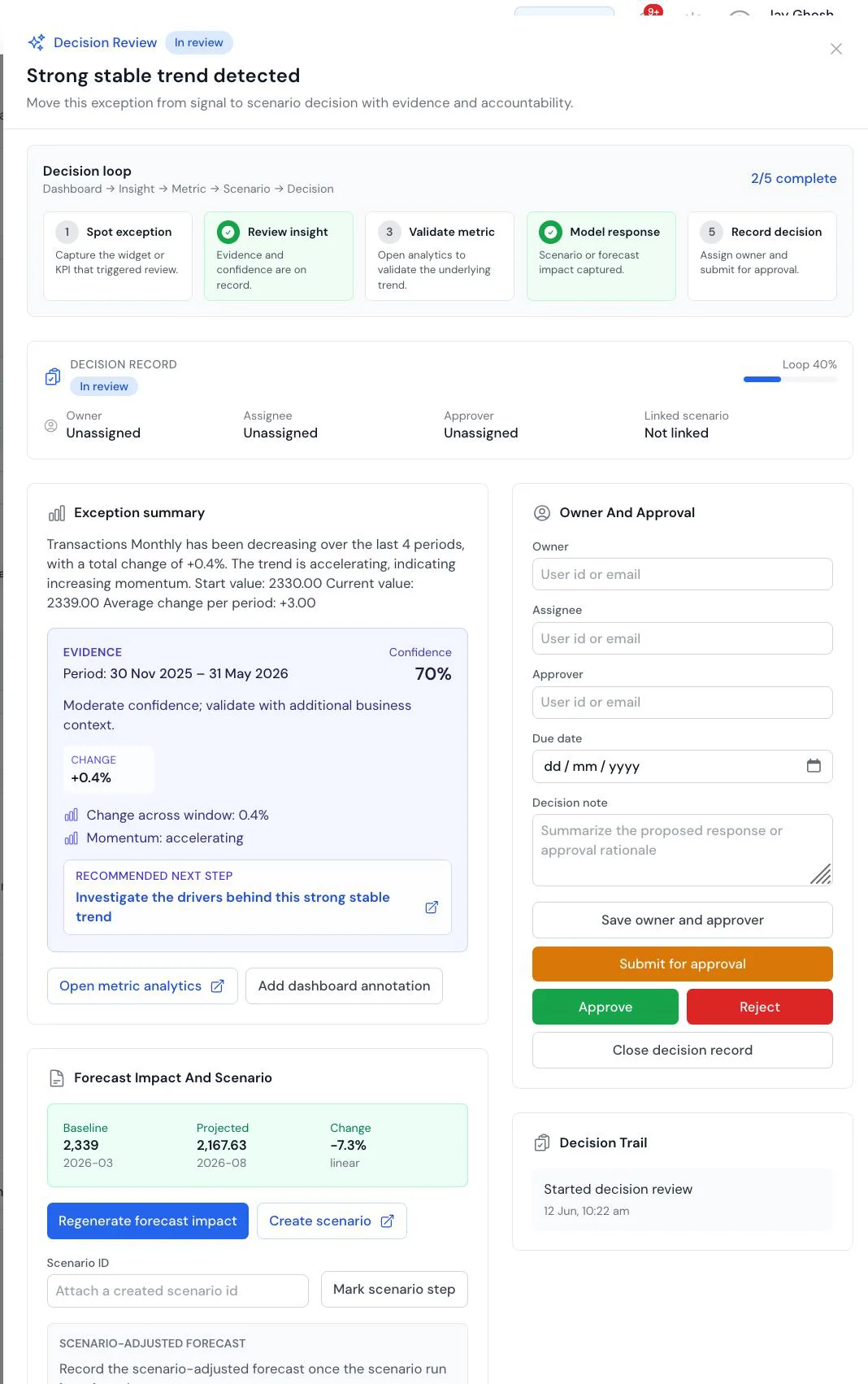
Predien models the choices you are considering using your own business numbers. See how each choice could affect labor cost, throughput, processing time, capacity, or margin. Compare the choices, choose the one that works best, and keep the decision and the scenario behind it on record. This is 3PL predictive business decision-making in practice.
See the impact of a real labor decision
In the demo tenant, Predien flags labor cost per unit at $1.42, above the $1.30 threshold set by the operator. Your analyst models both responses using the shift pattern you would actually run.
What Predien Shows
Warehouse performance analytics shows how each choice could affect labor cost, throughput, processing time, and capacity.
Our forward deployed analyst uses your numbers to explain impact before you decide.
Predien reads your systems. It never writes back to them.
One Warehouse Intelligence Platform. Four Ways to Work.
Predien combines software with a dedicated analyst who handles data ingestion and validation and provides recommendations based on how your operation actually runs.
Built for 3PLs and Warehouse Operators
Predien is warehouse analytics software and 3PL business analytics software for businesses that have outgrown basic warehouse reporting software but do not have a dedicated data team.
Compare labor cost, productivity, and volume across facilities.
See the operational numbers behind client work and shared labor.
Bring operational data together around the part of the business you need to understand.
Compare agency cost, work performed, and billing in one decision view.
The common challenge is the same: you have operational data but getting it together and turning it into a business decision takes too much time. Predien helps turn that data into clear business decisions.
Bring the decision you are
weighing right now
See it tested on your own business numbers before you commit.
Who this is for
Predien is built for mid-market leaders whose business has outgrown their current analytical capabilities.
What happens next
Email one line with the decision you are weighing. It goes to the person who would run your Sprint, and they come back within one business day.
